Medical information

About dizziness
Vertigo is one of the most common symptoms in everyday life. The number of patients complaining of dizziness is increasing, probably because of the stressful times. Most dizziness tends to be considered lightly because the symptoms disappear in a short period of time with rest or oral treatment. When looking at dizzy patients, doctors often have diagnosed Meniere's disease or Meniere's syndrome. Be aware that dizziness may be an early symptom of a life-threatening illness (eg, aura of cerebral infarction).
Type of dizziness
Rotation that makes you feel like you and your surroundings turn, your feet sway (unstable feeling), seasickness, dullness in front of you when you stand up, sometimes you lose consciousness for a short time, etc.
Causes of dizziness
It can be roughly divided into dizziness caused by the ears and dizziness caused by the brain .
Dizziness caused by ears
■ Meniere's disease
Tinnitus and ear closure are present, and suddenly severe vertigo occurs. I vomit for half a day to a day and suffer, but dizziness subsides before I know it. Then tinnitus and ear closure will disappear. By repeating this kind of thing, the hearing gets worse and worse. There are no cranial nerve symptoms such as double-looking objects, numbness in limbs, or difficulty in turning around. Speaking of dizziness, many patients are diagnosed with Meniere's disease, but at my clinic, there are not five per year.
■ Vestibular neuritis
It is often the case that cold symptoms come first. It is said to be a virus infection. Vertigo that is persistent and vertigo. However, it does not cause tinnitus or deafness.
■ Benign paroxysmal head dizziness
Vertigo that occurs for a short time when sleeping, waking up, or suddenly changing the position of the head. The number of patients is relatively large.
■ Sudden deafness
It develops with sudden deafness and tinnitus. It may or may not be dizzy. It is desirable to start treatment as soon as possible. It may be associated with an acoustic neuroma.
Dizziness caused by the brain
■ Cerebrovascular accident
Vertigo is not always intense, with headaches and vomiting, as well as light-headedness and floating sensations. It may be accompanied by neurological symptoms such as numbness around the limbs and mouth, tangled tongue, diplopia, cerebellar symptoms such as stairs and hand tremor.
■ Cerebellar pontine corner tumor, cerebellar tumor
It may develop in the ears, deafness, or dizziness.
■ Cervical spondylosis
It occurs because the deformities of the bones in the neck impair the flow of blood to the brain. Vertigo without tinnitus, ear blockage, or deafness
What doctors want to know when diagnosing dizziness (helping diagnosis)
It is important for the patient to talk about how dizziness occurred.
1. 1. What kind of dizziness?
Round and round (direction? Same as the hands of a clock?)? Fluttering (Sickness? Can't get your feet on the ground?)
Is it dark in front of you?
2. 2. What should i do?
When I wake up in the morning, I naturally sleep, wake up, turn over, and when I get up
3. 3. How long does dizziness last?
4. Did you have tinnitus, deafness, or dizziness in your ears?
5. Numbness in the limbs, is it difficult to turn around, or does the object look double? What are the cranial nerve symptoms such as?
6. A major illness in the past
7. Occupation and other lifestyles
What causes dizziness?
・ Stress from living environment and social environment
・ Drinking too much alcohol. Too much smoking
・ Gluttony
・ Hot bath, long bath
・ Trauma caused by traffic accidents, whiplash
・ Antihypertensive drug is too effective
How to deal with dizziness at home
・ Take a comfortable posture without moving your head
・ Loosen your clothes and lie down
・ Close your eyes and rest in a quiet room
・ Keep your mind calm
Then, see a medical institution as soon as possible.
Tests required for dizziness diagnosis
・ Spontaneous, gaze nystagmus test
・ Head position and head position conversion nystagmus test
・ Vitromotor nystagmus test
・ Temperature-stimulated nystagmus test
・ Electric nystagmus test
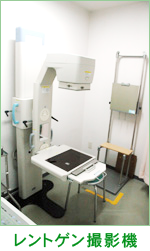
・ Ear and cervical spine X-ray examination
・ Indicator follow-up inspection
・ Center of gravity sway test
・ Standard hearing test, inner ear function test
・ Taste test
・ Cranial nerve symptom test / cerebellar symptom test
·Blood test
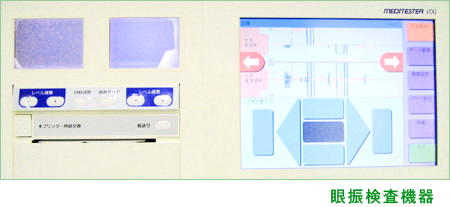
Diagnosis of dizziness is difficult without a nystagmus test. Diagnosis is made based on the medical history and upper laboratory findings.
Dr. Sugita was selected as one of the 50 famous doctors in Japan for "Dizziness" and was published in "Treatment of dizziness by mail order No. 189, October 1998".

